









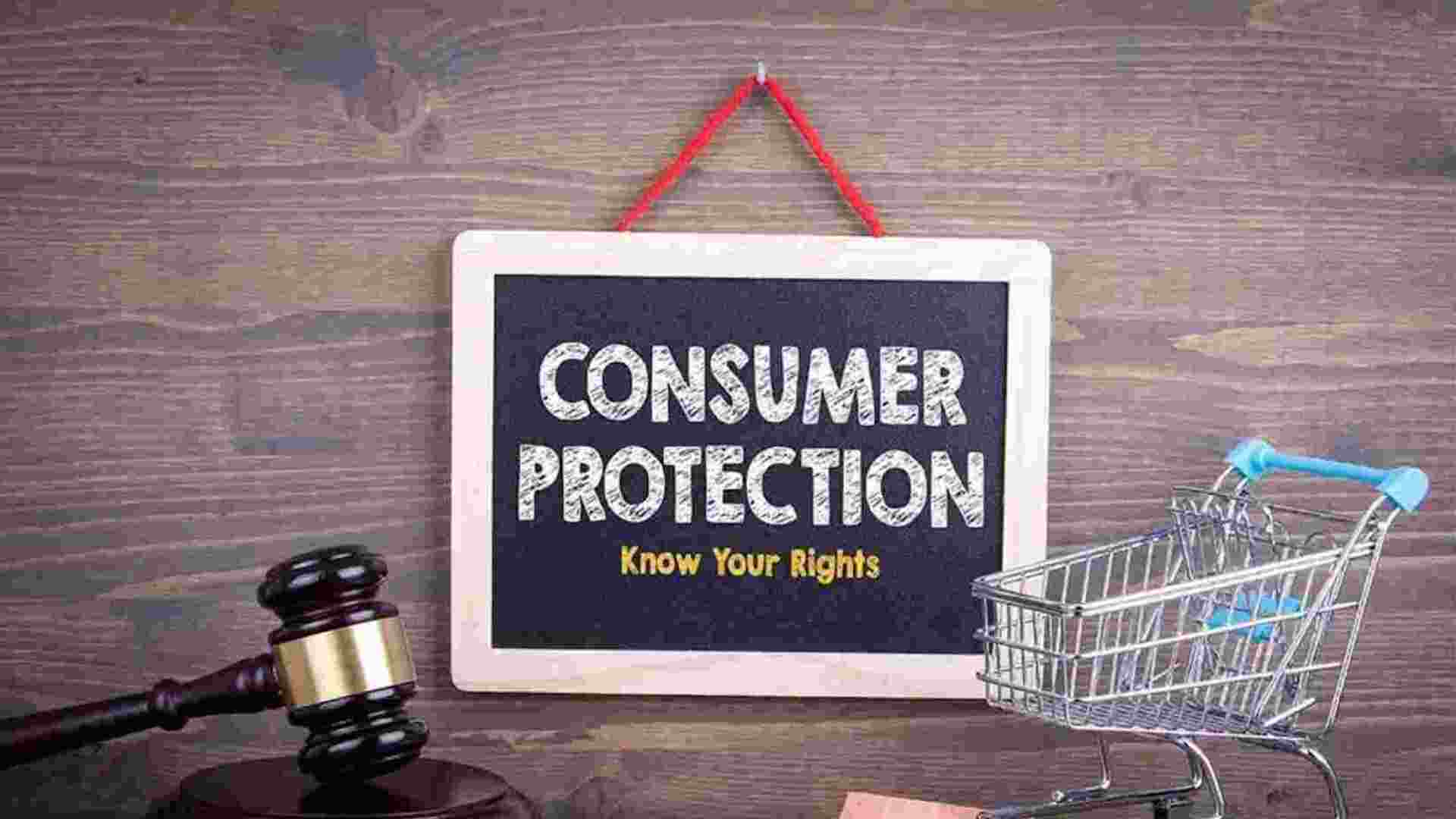
Online shopping has become a routine part of modern life. Consumers can compare products, read reviews, place orders, and make payments without leaving home. This convenience has also created risks involving misleading advertisements, hidden charges, unsafe products, delayed deliveries, and misuse of personal information. Consumer protection laws influence how online retailers operate by setting standards for fairness, transparency, and accountability.
Clear Product Information and Honest Advertising
One of the most important legal expectations in online commerce is accurate product information. Retailers must describe goods clearly, display realistic images, and avoid claims that could deceive buyers. Prices, taxes, delivery charges, subscription terms, and return conditions should be visible before payment. This focus on transparency reflects a broader environment in which users also expect official services such as pm kishan ekyc to provide clear instructions and dependable information. When shoppers understand exactly what they are buying, they can make informed decisions and avoid surprises.
Stronger Rules for Payments and Receipts
Consumer protection laws shape how online payments are processed. Businesses are expected to use secure payment systems, confirm completed transactions, and provide receipts. These records are essential when customers request refunds, report charges, or challenge billing errors. The importance of reliable documentation can also be seen in services like mahabocw payment receipt, where proof of payment helps users confirm that a transaction has been recorded. In online retail, proper receipts protect customers and sellers by creating a clear record of the purchase.
Fair Return and Refund Policies
Returns and refunds are major parts of online shopping because buyers cannot physically inspect products before ordering them. Consumer laws often require sellers to explain return periods, refund methods, replacement options, and conditions for damaged or incorrect goods. A fair policy reduces conflict and encourages trust. Retailers that make returns unnecessarily difficult may face complaints, penalties, and reputation damage. Clear procedures explain when customers deserve a full refund and when exclusions may apply.
Privacy and Protection of Personal Data
Every online purchase involves the collection of personal details, including names, addresses, phone numbers, and payment information. Consumer protection frameworks increasingly require businesses to collect only necessary data and explain how it will be used. Customers should also be informed if their information is shared with delivery providers, payment processors, or marketing partners. Similar expectations for secure access exist when people use digital public platforms such as kaveri online ec. Strong privacy practices reduce the risk of identity theft, unwanted marketing, and unauthorized access to sensitive information.
Accountability Across Online Marketplaces
Large online marketplaces connect buyers with thousands of independent sellers. Consumer laws are gradually making platforms more responsible for verifying sellers, removing unsafe listings, and responding to complaints. Buyers should know who is selling the product, where the seller is located, and whom to contact if a problem occurs. This need for verified information is also relevant to portals such as bihar bhumi jankari gov in bihar, where users depend on accurate records and identifiable authorities. Greater marketplace accountability makes it harder for dishonest sellers to disappear after receiving payment.
Protection Against Fake Reviews and Manipulative Design
Reviews strongly influence online purchases, but fake ratings and paid endorsements can mislead consumers. Regulators are paying closer attention to businesses that publish fabricated testimonials or hide negative feedback. Laws also address manipulative design practices that pressure users into buying, subscribing, or sharing more data than intended. Examples include confusing cancellation buttons, automatically selected extras, and artificial countdown timers. By limiting these tactics, consumer protection rules support genuine choice rather than decisions created through pressure or deception.
Building Trust in the Future of Online Shopping
Consumer protection laws will remain essential as online shopping becomes more personalized, automated, and international. New technologies may improve convenience, but they can also create unfamiliar risks. Businesses that follow fair practices will be better positioned to earn loyalty and avoid legal disputes over time. Consumers also benefit when they read policies, save transaction records, and report suspicious behavior. Strong laws, responsible retailers, and informed buyers together create a safer digital marketplace where convenience does not come at the cost of fairness, privacy, or financial security.