








In most legal situations, a court will only make you pay damages if someone can prove you were careless or sloppy. However, the legal system treats certain high-risk activities differently by completely skipping the question of fault. This is where the distinction between absolute liability vs. strict liability comes into play. Both legal doctrines hold you financially responsible regardless of your intentions but they handle your courtroom defense options in totally different ways.
Key Takeaways
- Strict liability forces you to pay for damages without proof of carelessness but you can still argue your case using a few specific legal exceptions.
- Absolute liability generally imposes liability without requiring proof of fault & may significantly limit or eliminate certain defenses, depending on the applicable law.
- Defective consumer products and sudden dog bites are classic examples of strict liability rules.
- Absolute liability is reserved for rare, catastrophic public dangers like storing toxic military weapons or specific statutory public welfare violations.
Understanding Absolute Liability
Absolute liability represents a stringent standard of accountability in civil law. Under this doctrine, if an action occurs & results in injury or damage, the responsible party is fully liable.
When a case falls under this category, the judge will completely refuse to look at your safety records, your advanced engineering or your clean historical track record. It does not matter whether you spent millions of dollars trying to prevent the accident. The court only cares about two basic facts: Did you engage in the specified activity and did that activity cause harm to someone else? If the answer to both questions is yes, liability is established.
This standard significantly restricts or outright eliminates traditional legal defenses. Depending on the specific statutory framework, a defendant may be unable to argue that a bad storm caused the issue or that a criminal entered the property unlawfully and broke the equipment.
Think of facilities that handle highly dangerous materials or store experimental chemical weapons. The law provides that if a business chooses to bring an exceptional danger to a community, it must bear the financial risk. If a toxic cloud escapes or hazardous materials leak into the water supply, the operating company may face full liability for the medical bills & property damage under the governing statute, with virtually no legal exemptions available.
Strict Liability Explained
Strict liability also skips the traditional courtroom argument over whether you were being careless, lazy or malicious. In a standard personal injury case based on negligence, the victim has to do a mountain of homework to prove you dropped the ball. They have to show exactly how your actions fell below the acceptable standard of care.
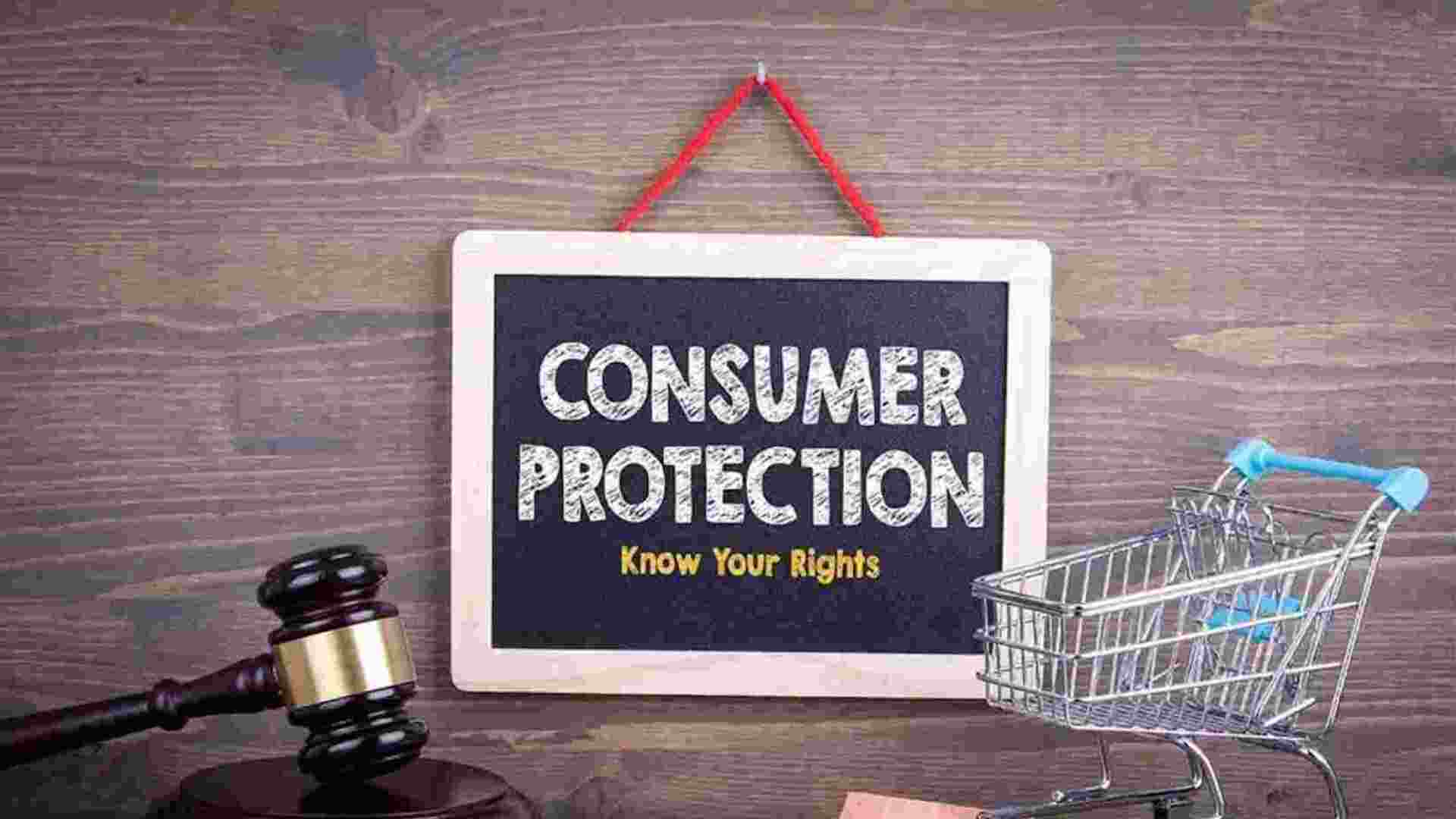
Strict liability completely removes that heavy burden from the victim’s shoulders. If a factory manufactures a kitchen toaster that suddenly explodes during breakfast, the injured customer does not have to dig through internal factory blueprints to prove the assembly line workers made an error. They do not need to show that the factory owner bought cheap wiring to reduce costs. Instead, they just have to prove three basic things: the product was defective when it left the factory, they were using it in a reasonably normal way and the explosion directly caused their injuries.
But here is the real catch that separates this rule from absolute liability: you still have a fighting chance to defend yourself under a strict liability framework. Liability is not automatic in every case. Depending on the jurisdiction and type of claim, defenses may include product misuse, assumption of risk, comparative fault or other legally recognized defenses:
- Complete Product Misuse: Showing that the customer used the product in a wild, highly unpredictable way that made absolutely no sense. For example, if someone uses a lawnmower to trim a hedge vertically & cuts their hand, the manufacturer can argue the tool was completely misused.
- Knowing and Assuming the Risk: Proving the injured person knew exactly how dangerous the specific situation was, fully understood the risks involved and chose to expose themselves to it anyway.
- Comparative Fault: Demonstrating that the claimant’s own negligent actions contributed directly to the severity of their injuries.
Differences Between Strict Liability and Absolute Liability
The practical difference between these two legal standards completely changes how a courtroom battle plays out from start to finish. It dictates the strategy of the defense lawyers, the amount of evidence required & the overall predictability of the lawsuit.
To see how this works in real life, imagine a wild tiger escapes a private sanctuary & destroys a neighbor’s property:
- How Strict Liability handles the case: Once the neighbor proves the tiger caused the damage, the owner can still fight back. Depending on the applicable law and the facts of the case, the owner may be able to reduce or avoid liability through recognized defenses, such as proving that an outside force or the victim’s provocation directly caused the escape.
- How Absolute Liability handles the case: That entire defensive line is instantly blocked. The defense lawyer cannot raise traditional exemptions. The minute the tiger escapes and causes harm, the owner carries the financial burden of that choice, no matter what freak chain of events happened behind the scenes, because the law refuses to let innocent neighbors carry the risk.
While both laws eliminate the necessity of proving fault, comparing their core structural designs highlights exactly where defenses are permitted and where they are completely denied.
| Legal Element | Strict Liability | Absolute Liability |
| Need to Prove Carelessness | No. Your intentions and levels of care do not affect the core claim. | No. Your intentions and levels of care do not affect the core claim. |
| Can You Defend Yourself? | Yes. You can raise defenses like product misuse, modification or assumption of risk. | No. Traditional legal defenses or justifications are generally unavailable. |
| When Is It Used? | Dangerous pets or broken consumer products. | Toxic chemical storage or specific public welfare laws. |
| Goal of the Law | To force companies to design and build safer consumer goods for the public. | To impose total accountability on entities hosting exceptional public dangers. |
Conclusion
Understanding the split between absolute liability vs strict liability is vital when navigating high-stakes personal injury claims. While both frameworks remove the need to prove negligence, strict liability leaves a narrow window for defensive arguments while absolute liability demands total accountability with zero excuses. Pinpointing the exact standard attached to an accident dictates courtroom strategy and ultimately decides who carries the financial burden of the damage.