







Americans argue about speech because speech is where power shows its teeth. First Amendment rights protect religion, speech, press, peaceable assembly, and petitioning the government, but the amendment does not turn every angry post, protest, article, joke, threat, or school dispute into a winning constitutional case. The actual text blocks government punishment in core areas of civic life, especially when people criticize officials, challenge laws, gather in public, or publish hard truths.
That protection matters more when the speaker is unpopular. A town council critic, a student wearing a political message, a reporter exposing misconduct, or a protester outside a courthouse may need the Constitution most when the room wants silence. For more plain-English legal explainers, public interest legal coverage can help readers connect big legal ideas to everyday American disputes. The hard part is knowing where liberty ends and legal risk begins.
The Amendment Protects Dissent, Not Every Consequence
The strongest mistake people make is treating the amendment like a shield against all backlash. It is not. It limits government action, not every response from an employer, website, neighbor, customer, or private group. That line feels unfair to many people because the social cost of speech can be brutal, but constitutional law starts with state power.
Why protected speech starts with government action
The Constitution has its sharpest bite when a public official uses law, police power, licensing, public employment, or school discipline to punish expression. A mayor cannot ban a resident from a public meeting because the resident criticizes city spending. A state agency cannot deny a permit because it dislikes the protest message. A police officer cannot arrest someone for insulting government policy in a public square without more.
Private companies sit in a different box. A newspaper can reject an op-ed. A social media platform can remove posts under its own rules. A local business can distance itself from a spokesperson whose comments hurt its brand. Those choices may raise cultural, ethical, or business questions, but they are not always constitutional violations.
The counterintuitive point is simple: speech can be protected from government punishment and still cost you friends, work, money, or reputation. Constitutional freedom does not promise applause. It promises a high barrier before the state can use force.
Why offensive ideas often stay protected
American law protects plenty of speech that sounds rude, harsh, foolish, or cruel. That is not because the law admires cruelty. It is because the government cannot be trusted to decide which opinions deserve survival. Once officials can punish speech because it offends, the next target is often dissent.
Courts treat viewpoint discrimination with deep suspicion. A city that allows signs supporting a war cannot ban signs opposing it. A public university that welcomes one side of a political debate cannot silence the other side because donors complain. Content-based rules often face strict judicial review, and the Supreme Court has said facially content-based speech laws can trigger strict scrutiny regardless of the government’s benign motive.
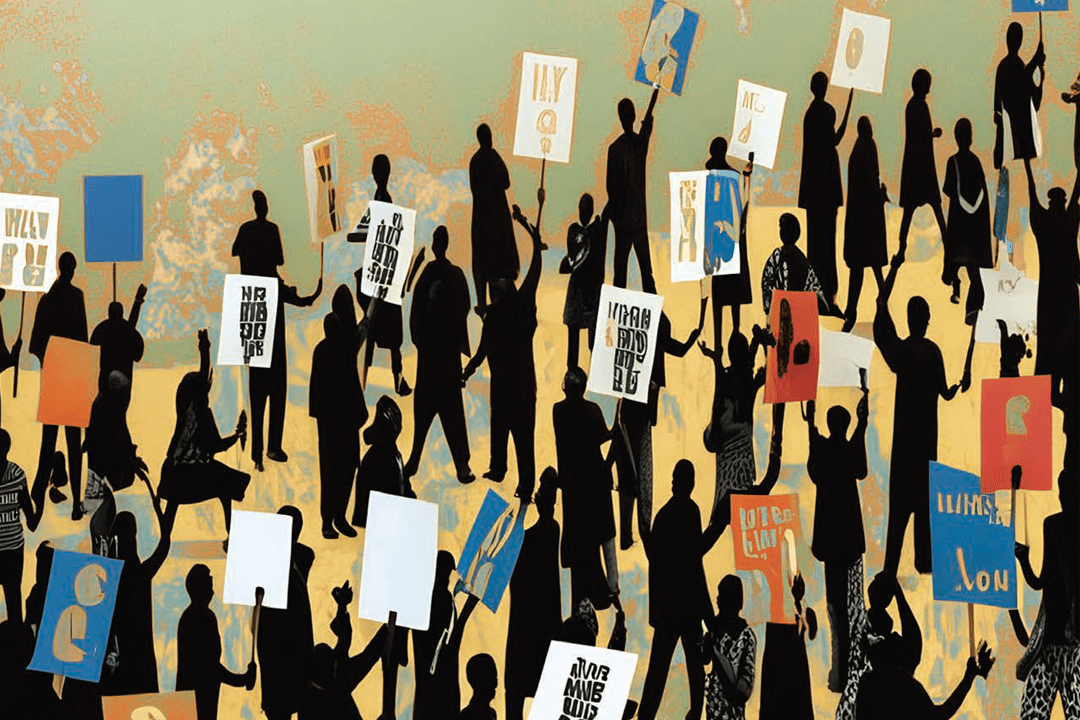
A real-world example appears whenever Americans protest police conduct, immigration policy, abortion law, school curriculum, or foreign policy. The speech may anger half the town. That anger does not erase protected speech. The First Amendment was built for ugly civic weather, not polite dinner conversation.
Free Speech Limits: The Narrow Categories That Fall Outside Protection
Free speech limits are real, but they are narrower than many people assume. The law does not create a broad “bad speech” exception. It carves out specific categories where speech is tied to violence, fraud, reputational harm, criminal conduct, or certain sexual material that meets a strict legal test.
When threats, incitement, and criminal conduct cross the line
Incitement is not the same as wild political talk. In Brandenburg v. Ohio, the Supreme Court said the government cannot punish advocacy of force or lawbreaking unless the speech is directed to producing imminent lawless action and is likely to produce it. That is why a vague rant about “resistance” is treated differently from urging a crowd outside a building to attack a named person right now.
True threats sit in another category. After Counterman v. Colorado, prosecutors in true-threat cases must show at least recklessness about whether the statement would be understood as threatening violence. That matters online, where tone collapses, screenshots travel fast, and people mistake menace for edgy humor until a court reads the message cold.
Speech tied to criminal conduct also loses protection. A robbery note, an extortion demand, a fraudulent investment pitch, or instructions exchanged as part of a conspiracy do not become legal because words are involved. The law protects ideas; it does not bless crime dressed as conversation.
How defamation and obscenity work in real cases
Defamation law proves that false factual claims can carry legal consequences. If someone falsely accuses a local restaurant owner of poisoning customers, the issue is not mere offense. The issue is reputational harm built on a false statement of fact. Public officials face a higher burden: under New York Times Co. v. Sullivan, they must prove actual malice, meaning knowledge of falsity or reckless disregard for truth.
Opinion has more room. “That mayor is terrible at budgeting” is not the same as “that mayor stole $50,000 from the city,” if the second claim is false and presented as fact. The difference can decide whether a heated post stays political speech or becomes a lawsuit.
Obscenity is also narrower than casual language suggests. In Miller v. California, the Court held obscene materials are not protected and set a test involving community standards, patently offensive depiction of sexual conduct defined by law, and lack of serious literary, artistic, political, or scientific value. Plenty of adult material is not legally obscene. That surprises people, but legal obscenity is a demanding category, not a synonym for “offensive.”
Where First Amendment Rights Meet Schools, Jobs, and Public Spaces
The toughest disputes arise when the government wears two hats. A public school is not a street corner. A government workplace is not a private living room. A courthouse plaza is public property, but not every corner of it operates under the same rules. Context decides much of the case.
How public school speech changes inside the school gate
Public school speech gets protection, but students do not receive the same freedom at school that adults receive at a public rally. In Tinker v. Des Moines, the Supreme Court said students and teachers do not shed speech rights at the schoolhouse gate, yet schools may act when speech would materially and substantially disrupt school operations.
That standard creates hard calls. A black armband protesting war is different from targeted bullying in a group chat that spills into class. A political T-shirt is different from a threat scribbled on a bathroom wall. Schools must educate, protect students, and keep order, but they cannot turn discomfort into a shortcut for censorship.
The unexpected truth is that public school speech cases often turn less on the slogan and more on the record. Did classes stop? Were students threatened? Did administrators document disruption, or did they react to pressure from angry parents? Courts care about those facts.
Why public employees face a different test
Government employees have speech rights, but their job duties matter. A public teacher, police officer, prosecutor, clerk, or agency analyst may speak as a citizen on public issues, yet speech made as part of official duties can receive less protection. In Garcetti v. Ceballos, the Court held that statements made pursuant to official duties do not get the same protection under the public-employee speech framework.
That sounds harsh until you look at how government work functions. A city attorney cannot claim a constitutional right to rewrite the city’s legal position in court. A public health employee cannot issue personal policy in an official report and call discipline censorship. Government must be able to run its offices.
The balance changes when the employee speaks as a private citizen about public concerns. A teacher writing a letter about school funding after hours sits closer to civic debate. A county worker reporting corruption may raise matters the public needs to hear. These cases are fact-heavy because the law tries to protect both public service and public debate.
Government Speech Restrictions in the Digital Age
Modern speech disputes move faster than old doctrine. A post can reach thousands before a city attorney finishes lunch. A protest can be planned in a group chat by morning and fill a public sidewalk by evening. The rules still come from old constitutional bones, but the pressure points now feel sharper.
Why platform rules are not the same as censorship
Social media bans often feel like censorship because they silence a speaker in a place where public conversation happens. Still, a private platform enforcing private terms is not the same thing as Congress passing a speech ban. That distinction frustrates users, but it remains central.
The harder question appears when government officials pressure platforms, threaten regulation, or coordinate removals. A polite request can become coercion if backed by state power. A public health warning, election-security alert, or law-enforcement notice may be lawful in one setting and suspect in another if officials push private companies to do what the government could not do directly.
Free speech limits in digital spaces will keep producing hard cases because Americans now speak through private systems that feel public. The clean old image of a speaker on courthouse steps no longer explains the whole fight. Much of the pressure now sits inside inboxes, dashboards, moderation queues, and agency emails.
How permits, protests, and online pressure still raise hard questions
Public forums bring their own rules. Streets, sidewalks, and parks have long carried strong speech protection, but the government can impose reasonable, content-neutral time, place, and manner rules. Cornell’s public forum summary notes that the government may set such reasonable limits while viewpoint discrimination remains barred.
A city can often require a march permit to manage traffic. It can limit amplified sound at midnight near homes. It can keep courthouse entrances open. But it cannot charge one protest group more because officials dislike its message, or approve a patriotic rally while rejecting an antiwar rally on the same terms.
Government speech restrictions become most dangerous when they hide inside neutral language. “Safety,” “order,” and “civility” can be real concerns. They can also become polished labels for viewpoint control. The test is not what the rule is called. The test is how it works.
Conclusion
The best way to understand this area of law is to stop asking whether speech feels good or bad. Ask who is punishing it, what power they are using, where the speech happened, what harm followed, and whether the rule targets a message. Those questions cut through most confusion.
The Constitution gives Americans broad room to argue, publish, protest, mock officials, challenge majorities, and defend unpopular ideas. It also leaves room for laws against threats, incitement, fraud, defamation, certain obscenity, and speech tied to crime. First Amendment rights are strongest when the government tries to silence civic dissent, and weakest when words become part of direct harm.
A free country does not survive because everyone speaks wisely. It survives because the state cannot silence people merely because they speak badly. Learn the line before you cross it, and defend it before someone moves it.
Frequently Asked Questions
What are the main limits on free speech under US law?
Speech may lose protection when it becomes incitement, a true threat, defamation, fraud, obscenity under the Miller test, perjury, harassment in some settings, or speech tied to criminal conduct. The exact outcome depends on facts, intent, context, and the government rule involved.
Can the government punish offensive political speech?
Offensive political speech usually receives strong protection, especially when it criticizes officials, laws, parties, or public policy. The government cannot punish speech merely because it shocks, insults, or angers listeners. It needs a recognized legal basis beyond public discomfort.
Is hate speech illegal in the United States?
Hate speech is not a standalone legal category outside constitutional protection. It may be punished only when it also falls into another unprotected category, such as a true threat, targeted harassment, incitement, vandalism, or discrimination tied to unlawful conduct.
Can a private employer fire someone for speech?
Private employers often have wide power to discipline workers for speech that affects the workplace or brand, subject to employment contracts, labor laws, anti-retaliation rules, and state protections. The First Amendment mainly limits government employers, not private companies.
Do students have free speech rights in public schools?
Public school students have speech rights, but schools may restrict expression that materially disrupts school operations, invades the rights of others, or falls under special school-speech rules. Political expression receives more protection than threats, bullying, or school-sponsored content issues.
Can police arrest someone for recording them in public?
Recording police in public may be protected when the person records from a lawful location and does not interfere with official duties. State laws and local facts matter. Obstruction, trespass, or violating a lawful order can change the legal analysis.
Are social media bans a First Amendment violation?
A ban by a private platform is usually not a constitutional violation because private companies are not the government. The issue becomes more serious when government officials coerce, command, or pressure platforms to remove lawful speech they could not censor directly.
What should someone do if their speech rights are violated?
Document everything, save messages and notices, identify the government actor involved, write down dates, and speak with a qualified civil rights attorney. Deadlines can be short, especially for school, employment, protest, permit, or public-record disputes.